
About
Between memory and silence.
Why this journal
In 2017, I wrote my first piece about AI. Not artificial intelligence. Armenian Intelligence. It was a play on words that felt clever at the time, but the more I sat with it, the more I realised it was actually serious.
There is something in the Armenian experience, in the way we think, survive, create, and carry our history, that is genuinely irreplaceable. Not because we are special in the way nations like to believe they are special. But because what we have been through, and what we have built despite it, is unlike almost anything else in human history. We are a nation that survived genocide, dispersed across the world, and still exists. Still creates. Still argues passionately about its future. Still produces scientists, artists, builders, and dreamers in numbers that make no demographic sense for a country of three million people. That is not an accident. That is intelligence of a very particular, very human kind.
Every generation of Armenians carries something that was passed down without being written down. A way of surviving. A way of remembering. A way of turning loss into something that lasts.
Every generation of Armenians carries something that was passed down without being written down.
This journal is my attempt to find those stories and tell them. Not the ones in the history books. The ones in the families. Armenian Intelligence is not a technology column. It is not a politics column. It is a collection of stories about what it means to be Armenian, in all its complexity, its pain, its absurdity, and its extraordinary persistence. Stories that deserve to be told before they disappear. Stories that no algorithm will ever generate, because they belong to people who earned them the hard way.
I started this in 2017 and then stopped. Life got in the way, the way it does. Now I am back with my lifetime friend and cousin Milena, who is an amazing expert in linguistics and journalism.
A special note: the term “Armenian Intelligence” was coined by Nathalie, age 8, who was the real motivation behind my first story.
The Team
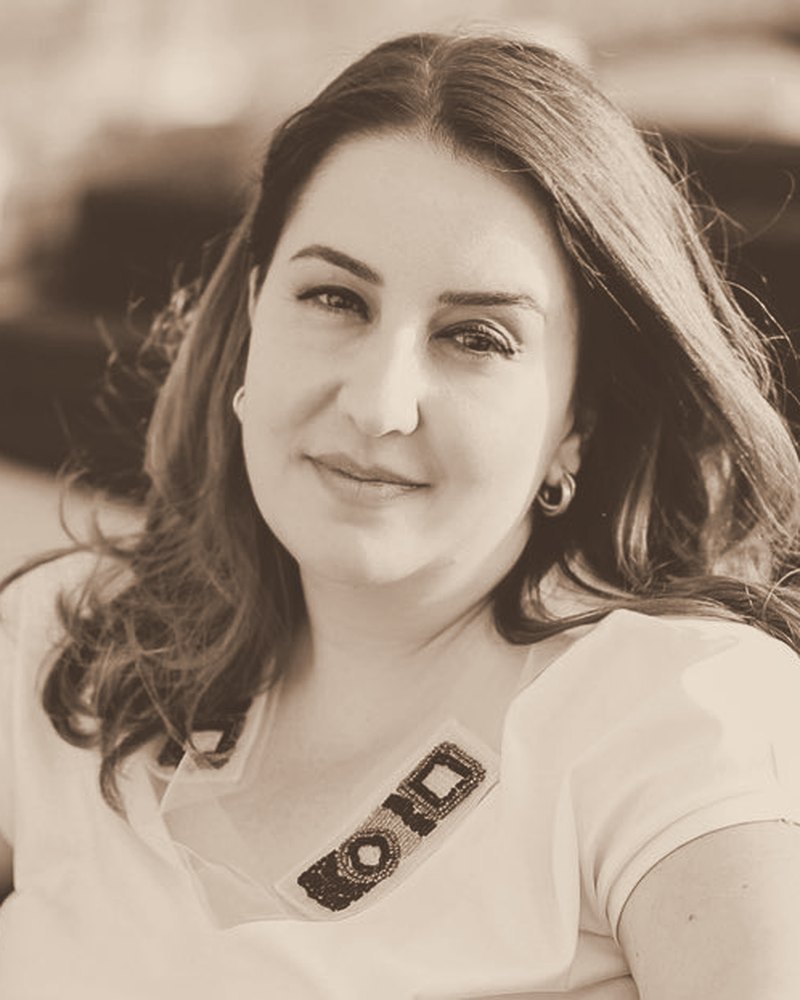
Milena Babayan
Journalist & Educator
Journalist turned educator, with a passion for language and culture. A graduate of Yerevan State University’s Faculty of International Journalism, she holds an MD in TV Journalism. She began her career as a special reporter for National Radio’s “News” and as a reporter and editor at “Noratert” newspaper, conducting interviews and writing, translating, and editing articles.
Since 2000, she has served as Professor at Yerevan State Medical University, teaching Armenian and Russian to international and diaspora students. Her work spans curriculum design, educational programme development, and creating engaging learning materials for culturally diverse classrooms. An active voice in academia, she organises cultural events for students, participates in international conferences and training programmes, publishes scientific research, and is the author of ten training manuals.
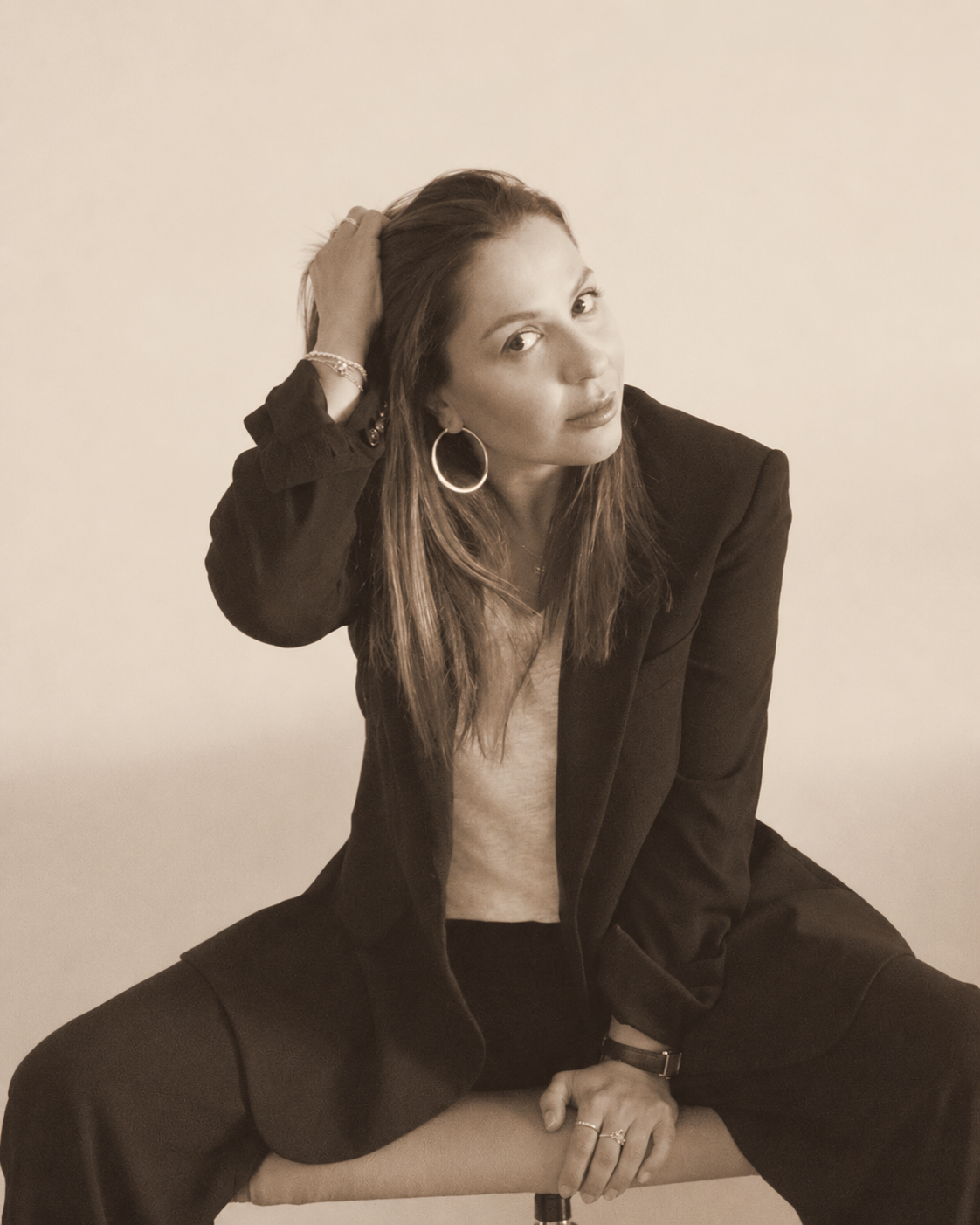
Ruzanna Safaryan
Education & Social Impact
Ruzanna Safaryan works across education, women’s agency, creative arts and heritage crafts. Over two decades, her work has explored how people learn, discover their capabilities, and find the support to pursue their ideas. In Armenia, she helped establish training centres at Yerevan State University and co-created the country’s first joint Master’s Degree programme in Data Science. She led ImpactAIM, UNDP’s first technology accelerator focused on social and environmental impact, and worked with its Regional Innovation and Chief Digital Office teams to design Boost Impact and Digital X. Many of these programmes continue today.
Women’s access to education and opportunity has been a consistent thread. She helped establish a technology centre in a university faculty where most students were women and contributed to an accelerator that introduced girls and women from Armenia’s regions to careers in technology. Today, she works with women seeking to turn their ideas into independent ventures. Raised in Armenia and now based in Greece, Ruzanna began her career in finance before moving into education. She holds degrees in Operations Management and Finance and Audit from the French University in Armenia and Jean Moulin Lyon 3, and has completed executive programmes at MIT Sloan and the University of Cambridge.
Have a story that belongs here?
Write to us. But bring proof. Photos, documents, article clippings, anything that confirms it happened. Armenian Intelligence deserves to be told with the same rigour it was lived.
Share Your Story →